


Table of Contents
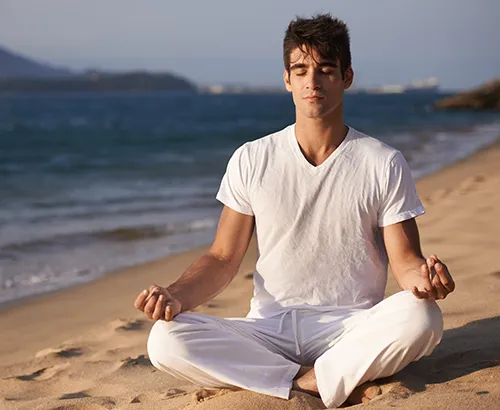
Mindfulness and Meditation: A Practical Guide to Improving Mental Clarity and Reducing Stress
- June 3, 2026
Latest Posts
In today’s fast-paced world, where stress and anxiety are more common than ever, the need for emotional well-being has never been greater. We are constantly bombarded by external demands—work pressures, personal obligations, and the ever-growing to-do lists. However, amidst the chaos, there is a profound and accessible way to regain balance, enhance mental clarity, and reduce stress: Mindfulness and Meditation.
These practices, though centuries old, are now backed by modern science as powerful tools for improving emotional health. If you’re looking to transform your emotional well-being, integrating mindfulness and meditation into your daily routine could be your path to a more fulfilling life.
What Is Mindfulness?
Mindfulness is the practice of being fully present in the moment—paying attention to your thoughts, feelings, and surroundings without judgment. It’s about acknowledging what is happening around you and within you, without getting caught up in it. In “Elevate Your Existence: Transformative Strategies for Self-Growth – 24 Point Playbook to Thrive 24/7” by Romear Campbell, the author emphasizes that mindfulness is essential in building self-awareness, which is foundational to personal development.
Campbell points out that, in a world full of distractions, mindfulness allows us to focus on the now and avoid the cycle of stress-driven thoughts. By practicing mindfulness, you can reduce mental clutter, leading to clearer decision-making, improved concentration, and a greater sense of emotional calm.
The Power of Meditation
Meditation, on the other hand, is a technique that can help you cultivate mindfulness and a state of deep relaxation. Whether it’s through focusing on your breath, a mantra, or simply observing your thoughts, meditation allows you to turn your attention inward. According to Campbell’s book, meditation is a tool for sharpening your focus and quieting your mind. Regular meditation helps you disconnect from the chaos of daily life and connect to your inner peace.
Studies have shown that meditation can significantly reduce symptoms of anxiety, depression, and stress, making it a highly effective practice for enhancing emotional well-being.
The Connection Between Mindfulness and Mental Clarity
Mindfulness and mental clarity go hand in hand. When you are present and aware of your thoughts and emotions, you become less overwhelmed by them. You can think more clearly and respond to situations from a place of calm rather than reaction. Campbell highlights in his book how this clarity allows individuals to make better decisions, solve problems more effectively, and foster healthier relationships.
Mindfulness enables you to step back and pause before reacting, providing the space for thoughtful action rather than impulsive responses. Over time, this practice leads to a more composed and peaceful state of mind.
Reducing Stress through Mindfulness and Meditation
Stress is often a result of our inability to manage our reactions to external events. The constant worry about the future or regret over the past fuels the cycle of stress. Mindfulness helps break this cycle by teaching us to live in the present moment. Through meditation, you can enhance your ability to focus on your breath and bodily sensations, which naturally brings relief from stress.
In “Elevate Your Existence”, Campbell explains that managing stress is not just about avoiding triggers but learning how to respond to them in healthier ways. Meditation offers a space to observe your stress without becoming overwhelmed by it. The simple act of focusing on your breath and letting go of anxious thoughts can lower cortisol levels, reducing physical and mental stress. By incorporating these practices into your daily routine, you can begin to rewire your brain to handle stress more constructively.
Building Emotional Resilience
One of the most transformative benefits of mindfulness and meditation is the development of emotional resilience. Life’s challenges, setbacks, and uncertainties are inevitable, but how we respond to them shapes our emotional health. Mindfulness allows us to approach difficulties with a clear mind, helping us navigate through tough times without being consumed by them. In his book, Campbell emphasizes that emotional resilience isn’t about avoiding difficult emotions, but about acknowledging them and responding in ways that support your well-being.
Meditation further enhances resilience by teaching you to sit with discomfort. When you meditate, you are often required to be with your thoughts—some of which may be uncomfortable. This practice helps desensitize you to negative emotions and teaches you to approach them with a non-judgmental attitude. As a result, you become less reactive and more grounded, able to handle life’s challenges with a sense of calm and poise.
How to Incorporate Mindfulness and Meditation into Your Daily Routine
The beauty of mindfulness and meditation is their simplicity. You don’t need special equipment or a lot of time to experience their benefits. Start small and integrate these practices into your daily routine. Begin by setting aside just five to ten minutes each day to meditate. You can sit quietly, focus on your breathing, and gently bring your attention back whenever your mind wanders. As you become more comfortable with the practice, you can increase the duration.
In addition to formal meditation, mindfulness can be practiced throughout the day. You can practice mindful walking, mindful eating, or take a moment to check in with yourself whenever you feel stressed. Pay attention to your thoughts, and try to observe them without judgment. These small moments of mindfulness can significantly enhance your overall sense of well-being.
The Long-Term Benefits
As you continue practicing mindfulness and meditation, you will begin to notice long-term benefits. Your mental clarity will improve, your stress levels will decrease, and you will cultivate greater emotional resilience. Regular practice of mindfulness and meditation will change the way you interact with the world and, most importantly, with yourself. As Campbell writes in “Elevate Your Existence”, the ultimate goal is not perfection but continuous self-improvement.
By incorporating mindfulness and meditation into your daily routine, you are taking steps toward becoming the best version of yourself.
Conclusion
Mindfulness and meditation are not just trendy practices; they are powerful tools that can transform your emotional well-being. By practicing mindfulness, you can achieve greater mental clarity, reduce stress, and build emotional resilience. With consistency and dedication, these practices can lead to profound changes in how you experience life.
As you embark on this journey toward self-growth, remember that the power to elevate your existence lies within you, and mindfulness and meditation are just the tools to help unlock that potential.